After 25 years in this industry, I can't remember a time when the stakes were higher or the job was more complex. We're no longer just managing the flow of electrons; we're trying to orchestrate a delicate balance between aging infrastructure and the explosive demands of a digital-first world. We're juggling an aging grid, n-1 contingencies that feel more like n-5 some days, and a load forecast that looks like a hockey stick thanks to EVs and data centers. Just "keeping the lights on" doesn't cut it anymore.
The buzzword floating around boardrooms is "resilience," but for those of us who live and breathe this industry, it’s not a buzzword. It’s a mandate. It means having absolute confidence in designs and operational data. It’s about building a grid that doesn’t just withstand a storm but anticipates it and recovers with precision. It’s about creating a resilient built world, and engineers are the ones who are building it.
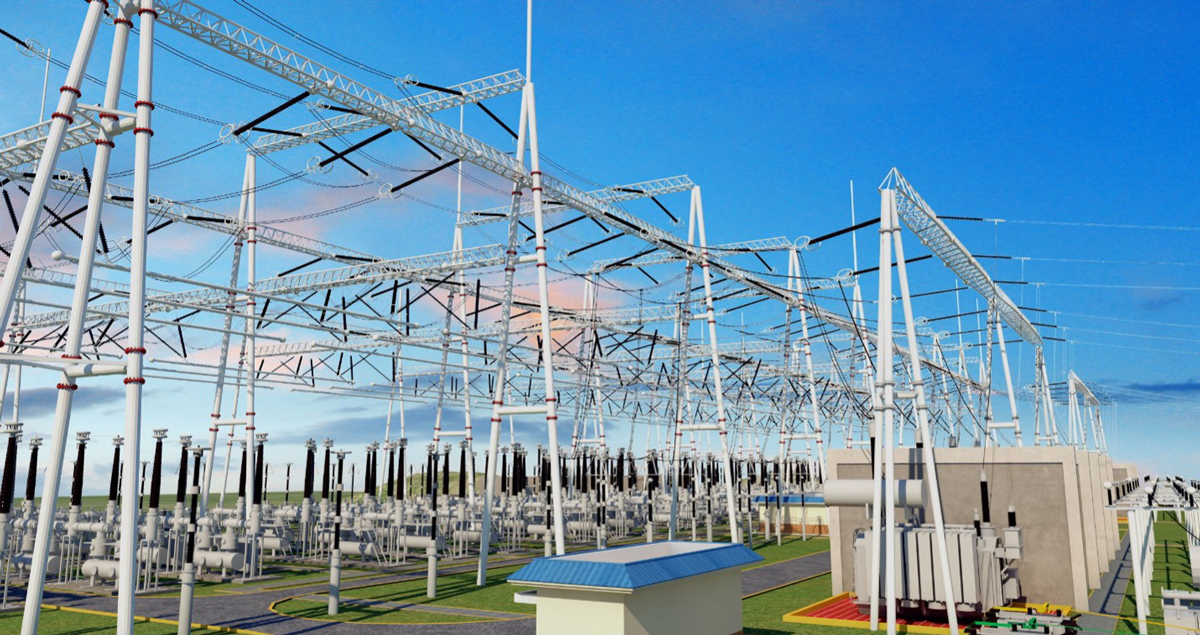
Application of GIS+BIM Digital Intelligence Technology to the Entire Lifecycle of the Project.
Credit: China Energy Engineering Group Guangxi Electric Power Design Institute Co., Ltd.
From 2D guesswork to award-winning certainty
What really gets me excited is seeing what happens when brilliant engineers get their hands on technology that can keep up with their vision. A perfect example is our recent Year in Infrastructure 2025 winner, the China Energy Engineering Group, and their groundbreaking 500kV power transmission project in Nanning. This wasn't a simple build; they faced complex, hilly terrain. The old way—stacks of 2D drawings and siloed teams—would have been a recipe for disaster.
Instead, they went all-in on a full-lifecycle digital approach. Using ProjectWise, a connected data environment as their single source of truth, they started with a drone-based reality mesh or site and route selection and terrain modeling of the station area. With software for intelligent 3D modeling and utility design OpenUtilities and OpenBuildings Designer, they built a data-rich, intelligent 3D model, allowing them to identify and resolve 85 major technical clashes before a single shovel hit the dirt. By linking the model to the schedule with SYNCHRO, a 4D construction modeling application, they optimized their entire construction sequence, shortening the design phase by 10% and verification by 15%. They didn't just build a substation; they delivered a benchmark for efficiency and a living digital twin ready for intelligent operations.
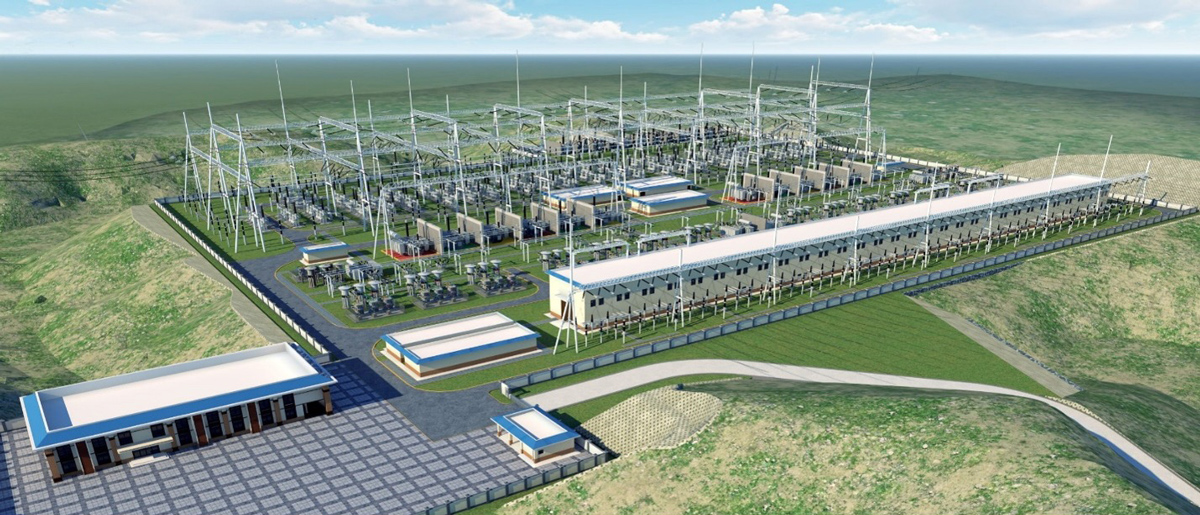
The project included drone-based terrain modeling, geological 3D analysis and multi-disciplinary collaborative design.
Credit: China Energy Engineering Group Guangxi Electric Power Design Institute Co., Ltd.
Engineering confidence in action
This principle of using digital twins for precision and speed applies just as powerfully to substation design and emergency response, as seen in the work of Copel and Exo Inc.
In Brazil, Copel revolutionized their substation design process by embracing a full BIM environment with a specialized application for intelligent substation design, OpenUtilities Substation. By moving from 2D to an integrated 3D system, they could identify physical and electrical conflicts on screen, not in the field. The result? They cut the development time for mechanical elements by 50%, leading to an estimated annual savings of USD 630,000.
And when a crisis hit in Missouri, Exo Inc. used a digital twin to avert disaster. After a flood damaged a critical transmission tower, they launched a drone to create a high-fidelity model of the bent steel. This allowed their engineers to safely analyze the damage and design a precise stabilization fix in a matter of days—a process that would have taken 4 to 6 weeks with traditional methods, protecting the power supply to nearby hospitals.
The work of China Energy, Copel and Exo Inc. is more than just impressive engineering; it's the future happening right now. They prove that resilience isn't an abstract goal, but a direct outcome of empowering engineers with the tools to design with confidence. This is what it means to build a smarter, stronger grid. This is how we, as an industry, will deliver a truly resilient built world.
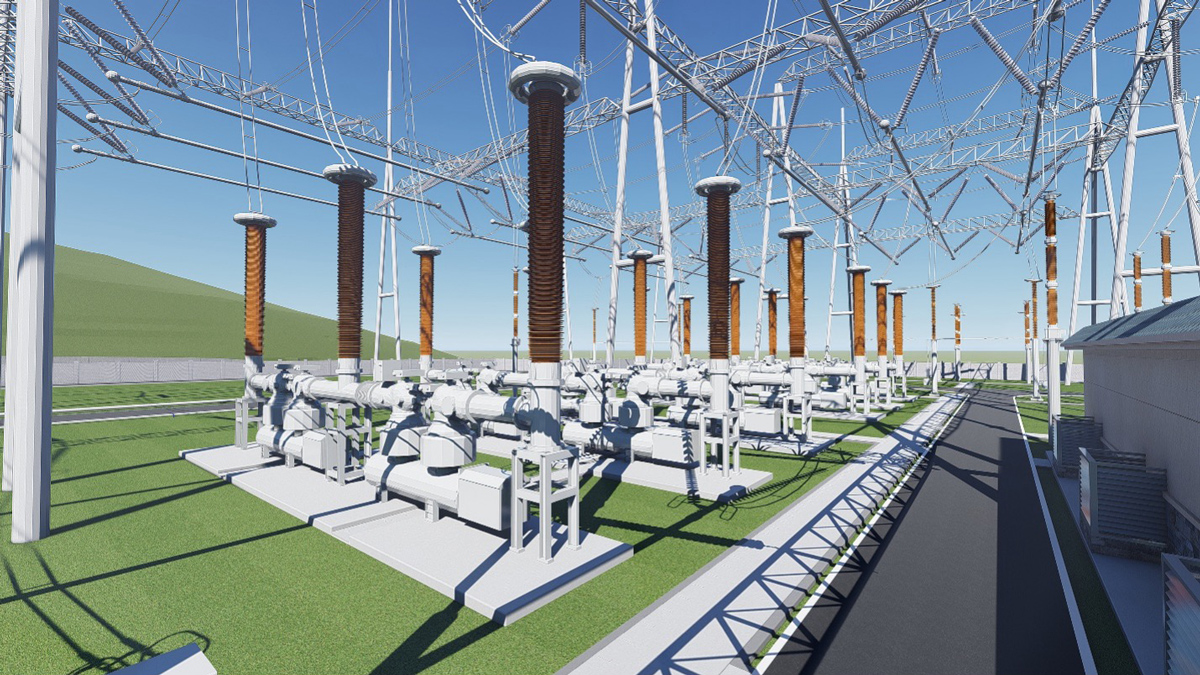
BIM And GIS Technologies Drive Full-Lifecycle Delivery Of A 500-Kilovolt Digital Substation in Nanning
Credit: China Energy Engineering Group Guangxi Electric Power Design Institute Co., Ltd.

Nicole Pearson is a marketing leader and energy industry expert who has spent her career at the center of the electric grid’s transformation. With more than two decades of experience spanning regulated utilities and global infrastructure software, Pearson brings a practitioner’s perspective on how market forces, infrastructure investment and customer expectations are reshaping the future of energy. Today, she leads global product and industry marketing for energy solutions at Bentley Systems, where she focuses on translating complex grid modernization challenges into clear, actionable market strategies.
Before joining Bentley, Pearson spent 23 years at Georgia Power and Southern Company, where she led enterprise marketing, communications and economic development efforts supporting customer programs, infrastructure growth and long-term energy strategy.