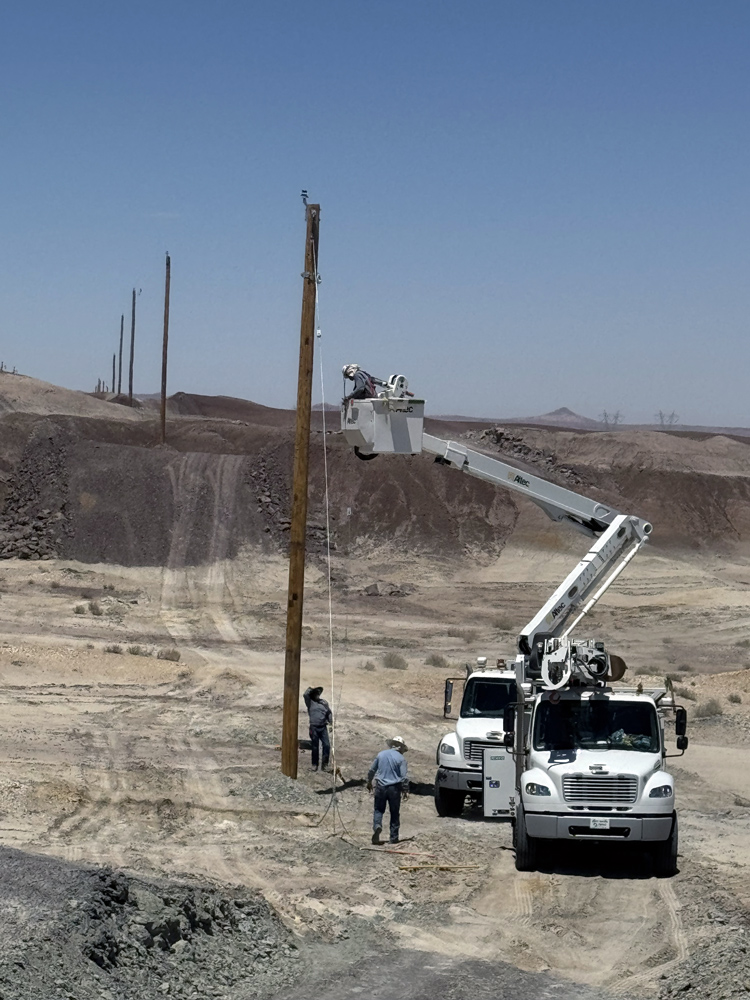
Credit: Trico Electric Cooperative, Inc.
In recent years, changing customer expectations and internal operational pressures have pushed electric utilities to rethink how they manage outage response and after-hours communications. Gartner reported in 2024 that "technological advancements and changing customer attitudes" are driving utilities to reimagine their traditional ways of working. Trico Electric Cooperative agrees. Like dozens of electric utilities this year, Trico invested in safely speeding up response, reducing errors in dispatching crews and better communicating with members when outages occur.
Trico's motivation came partly from a strategic plan initiated by leadership to improve member satisfaction, particularly around outage handling and estimated time of restoration. Members increasingly expect utilities to interact in the same way they track parcels, hail rides and schedule service appointments. They want multiple options for reporting issues, real-time information on progress and confirmation when crews are on the move.
Equally important to Trico is improving reliability. While Trico processes have always worked, Chief Executive Officer and General Manager Brian Heithoff has continually looked for opportunities to improve the cooperative's way of working, including its speed of outage response. When the utility began discussing a strategic plan for safely improving restoration times, Heithoff's team looked for ways to reduce manual decision-making, boost Trico's reliability and shorten the time it takes to deploy crews.
Prior to implementing any changes, Trico staff followed a complex callout process dictated by a work agreement with a local union. Operators juggled incoming member calls and alarms while also making numerous outgoing calls to assemble a crew. Identifying the correct field staff in the proper order could involve numerous separate phone calls, each subject to union rules on overtime and entitlement. In real time during major service events, operators had no automated way to verify availability, balance overtime, or eliminate inappropriate callouts. These manual decisions increased the risk of overtime disputes. Under the Trico and union work agreement, any crew not called in the correct order could file a grievance requiring the cooperative to pay two hours of overtime. This created a strong financial incentive to ensure callouts happened efficiently and equitably.
The system Trico and dozens of other utilities have implemented helps them communicate about outages and mobilize crews to restore service more effectively. Trico Electric Cooperative, which serves more than 53,000 members surrounding the City of Tucson, implemented the Daupler Response Management System (RMS) in June 2025. For Trico, Daupler RMS automates after-hours callouts of linemen, utility locators and substation workers and streamlines communication with members during outages. The AI-enabled system also helps Trico's operation center employees triage incoming data from AMI and SCADA systems (as well as members) to boost the speed and accuracy with which crews are deployed into the field.
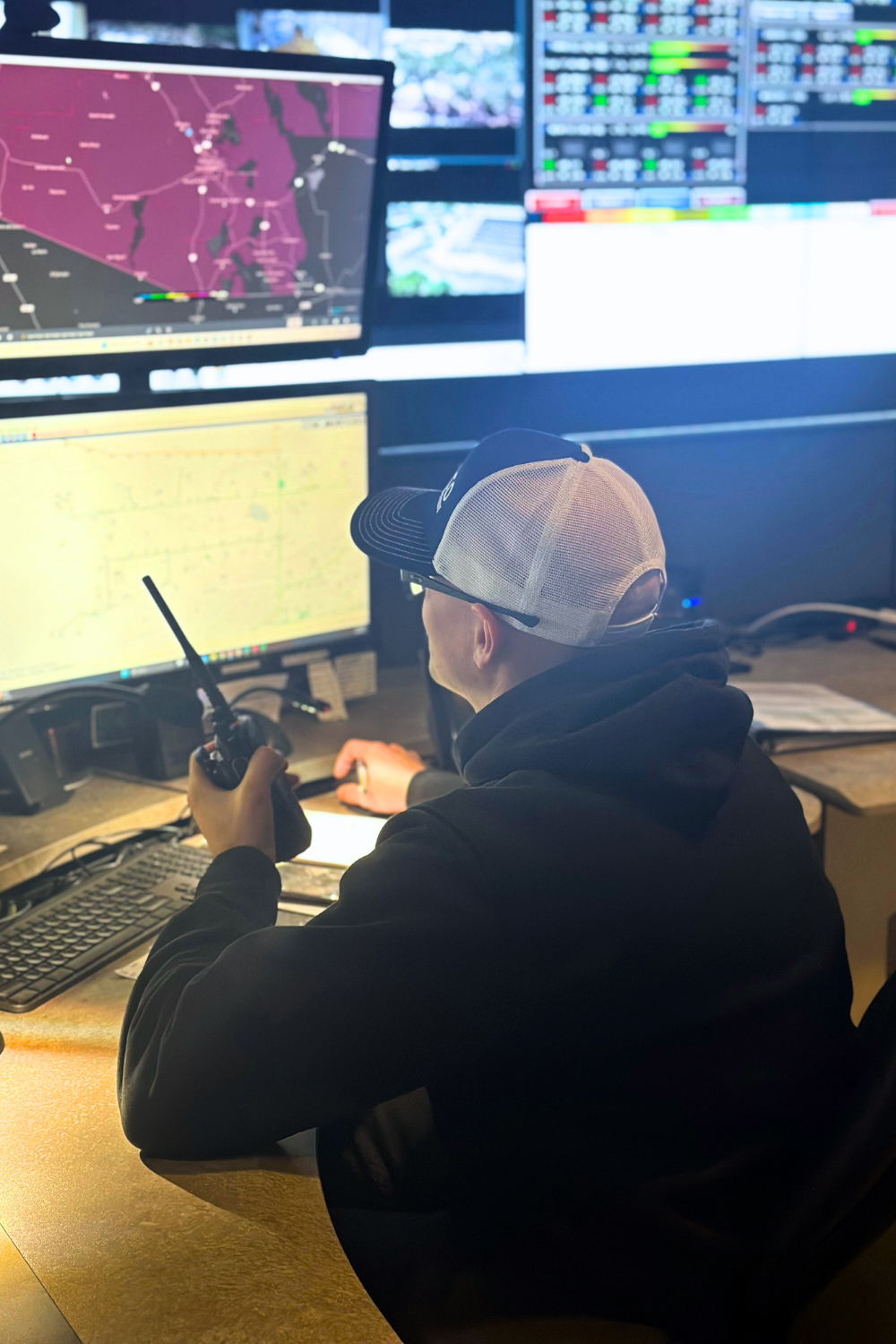
Credit: Trico Electric Cooperative, Inc.
Expediting response
Before implementing the new system, Trico relied on a manual process to field member calls and assess the state of its system during major outages. Both members and first responders would call the system operations center on separate lines. While these calls poured in, the operations center staff and managers focused on evaluating the scope of the outage in Trico's OMS. Judging the scale of an outage and analyzing the fault often pulled system operations center staff away from getting a callout organized and processed.
This process for event identification, paired with the complicated callout process, posed a major barrier to shortening restoration times.
To automate its callout process, Trico used Daupler RMS to add union rules as part of each call. Trico simply uploads an accurately built crew roster, and the system calls line workers in accordance with the union work agreement. This ensures operators launch a callout for the correct and available worker to accept. With algorithms built in, the platform ensures the equitable distribution of overtime. This, in turn, prevents grievances.
Once a worker accepts the callout, Daupler automatically routes crews to the correct location. As part of the solution, Trico has an analytics capability that reports on how quickly a lineman accepts a callout and provides a heat map of where crews are working once deployed.
During this year's storm season, Trico assembled a complete crew in less than one minute, compared to the 15-30 minutes previously needed using the manual phone method. The overall process also significantly reduced the likelihood of overtime disputes and supports a more equitable distribution of callout assignments.
Meeting customers where they are
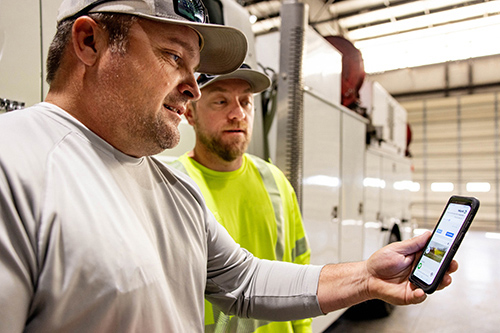
The system also provides new ways to engage members. Trico uses a web-based portal for members to track their service requests, receive updates and share photos and notes with line crews. Instead of handling issues solely by phone, now members can supplement their calls by uploading a photo of a limb on a conductor or by texting additional information about the location of an outage. Daupler RMS uses AI-enabled logic to group alarms and member calls that represent multiple reports of the same event, preventing a second crew from being dispatched unnecessarily.
Credit: Trico Electric Cooperative, Inc.
The notes from the portal help foremen and linemen better understand the location and context of an outage before arriving on site. And collecting this data from members empowers crews with additional details for efficiency and safety. For example, if a photo shows a damaged pole behind several homes, Trico's crew will know the confined space may call for a backyard machine versus a bucket truck.
Once Trico dispatches its crew, members can get updates (e.g., crew en route, working to repair) or track the status of their requests through the portal, much like they would track a package with a retailer and logistics company. Trico sees the portal improving member satisfaction by expanding on the traditional, one-way communication methods of making a call or filling out a website contact form.
From fault to fix
Trico is also testing integration with its NISC outage management system. Today, operators still manually verify an outage location within the OMS and then create a callout in Daupler RMS. Once integration is complete, verified OMS outages will automatically trigger a callout, shortening response times even more and reducing manual steps by operators.
Here's how a real-world callout with Daupler might work at Trico. Imagine a driver skids off the road late on a Saturday night and strikes a pole, causing a major outage. Trico detects the event through its AMI metering, which sends a signal to a collector and into the cloud before publishing the outage information to Trico's OMS. At that point, Daupler RMS becomes the operational hub for managing the event. As the outage is registered in the OMS, an incident is created within the RMS in less than a minute. The system immediately begins triaging the event, grouping related alarms and member reports and launching an automated callout to the appropriate on-call crews in accordance with Trico's union rules. Operators gain immediate visibility into whom they contacted, who accepted the callout and where they dispatched the crews, all without relying on manual phone trees.
The same workflow applies when the SCADA environment detects an outage. When the car strikes the pole, a pole-top electronic recloser sends an alarm with fault current information to Trico's SCADA environment, which publishes the event to Trico's OMS via MultiSpeak Web Services. Daupler RMS then takes over, initiating incident tracking, coordinating crew callouts and supporting faster, more consistent response regardless of which system detected the outage.
Continued improvements
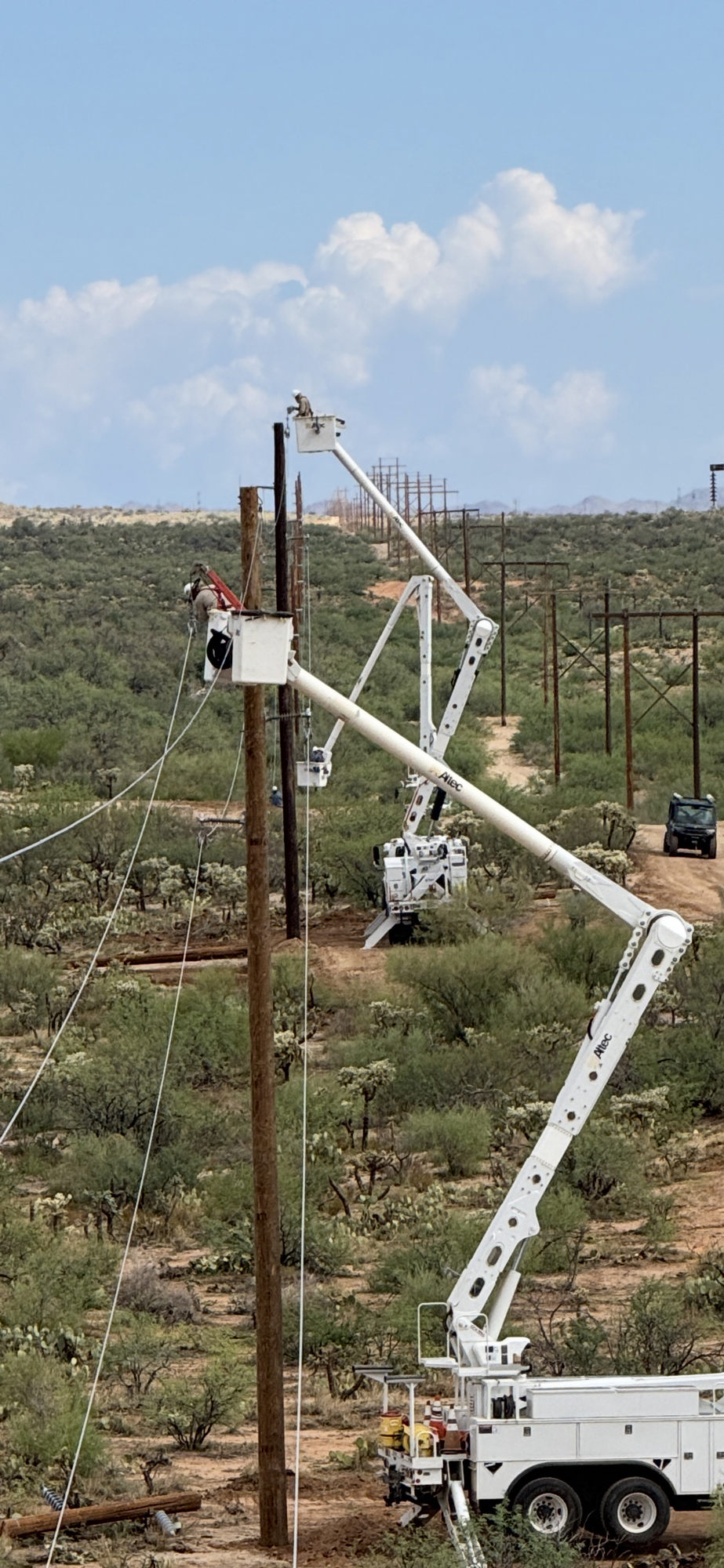
Credit: Trico Electric Cooperative, Inc.
Trico recognizes that it must navigate the path to modernization with clear goals. For Trico, phase one focused entirely on improving callout speed and accuracy. Phase two emphasizes deeper automation between systems, so outage tickets and member information can flow seamlessly without manual data entry. In phase three, Trico will automatically send notifications to all affected residents to keep them updated during outages, improving transparency and increasing member satisfaction.
While the intensity of large storm events in southern Arizona has recently been lower, Trico leadership believes that having an automated system during past major storms would have significantly improved response and restoration times. Faster dispatching also supports clearer estimated time for restoration, which has been a core metric in member satisfaction efforts.
Implementing modern response management is not only about speed. It is about having the confidence that utility managers handle outages consistently and fairly, with clear documentation and communication. For Trico, automating callouts and integrating data from dispatch, OMS, AMI and SCADA has helped operators expedite restoration while completing their critical responsibilities during outages.
Utilities across the country are feeling increasing pressure to improve outage management, communicate with customers and streamline internal workflows. Investments in response management can shorten dispatch times, reduce errors and enhance member trust. Trico believes that implementing a response management system will improve reliability across the entire outage lifecycle, from triaging customer outage reports to expediting the dispatch of crews. To measure the impact, Trico plans to gather data over time and compare IEEE reliability numbers like SAIDI and CAIDI before and after implementation. Ultimately, Trico views the system as a way to move beyond traditional systems for calling out crews, fielding member calls and restoring service. For Trico, Daupler RMS efficiently links systems for response, restoration and reliability, all of which play a critical role in boosting member satisfaction.
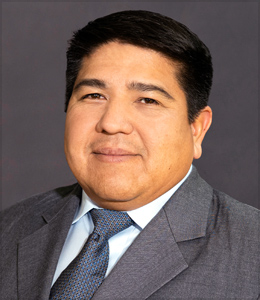 Manuel Velasquez, dispatch manager at Trico Electric Cooperative, maintains the operation of the utility's 24/7 dispatch section and supports service continuity and reliability objectives for its electric distribution system. He is a native Tucsonan and Navy veteran who has over 10 years of control center experience at Trico. He is currently pursuing an electrical engineering degree from Arizona State University.
 Wyatt Darrnell is director of account management at Daupler. His work focuses on helping gas, electric and water utility clients use Daupler's software to improve customer service, expedite restoration time and keep crews safe. He earned his bachelor's degree in business from the University of Missouri.