As AI data centers push U.S. power demand to new highs, the transmission lines, renewable generation and battery storage built to keep pace all depend on the same overstretched copper supply chain.
Most conversations about whether the power grid can keep up with AI focus on familiar challenges: permitting new transmission lines, expanding generation capacity or accelerating renewable energy projects. What almost nobody talks about is the supply chain underpinning all of it. Copper carries electricity from a power plant to a data center and getting it from ore in the ground to finished wire on a job site depends on a chain of mining, refining and manufacturing that cannot expand nearly as quickly as the grid’s plans assume.
With a projected global shortfall of 10 million metric tons of copper, the industry is already operating in a deficit, and it’s a different kind of shortage than the power sector has dealt with before. Past copper crunches were usually driven by one sector spiking at a time, giving supply chains room to catch up once that cycle cooled. This one is different because three fast-growing demand sources are hitting the same supply chain simultaneously. AI data centers, the grid modernization needed to move and manage all that new power, and renewable storage all need the same wire, busbars, power connections, grounding and engineered conductors to function.
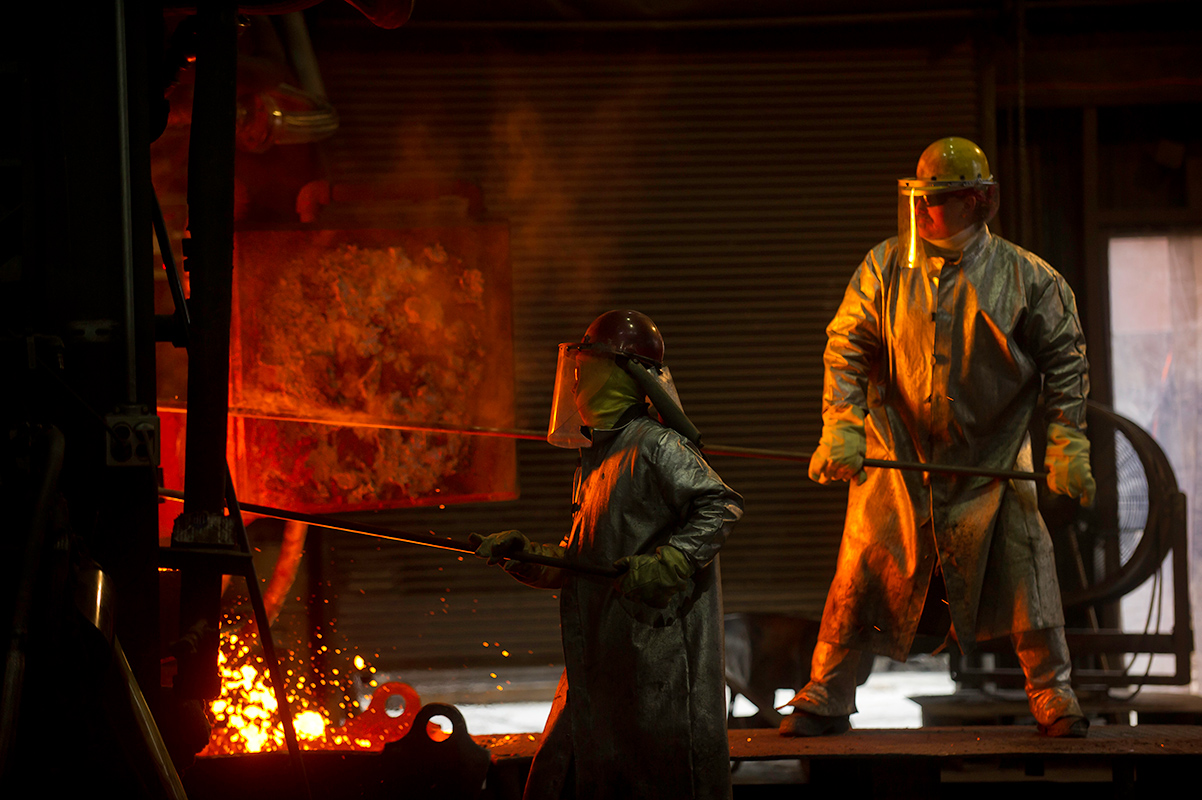
© Pantheon Electric
Copper is no longer just the wiring inside a data center; it’s the physical material that makes moving electricity possible at every step, from the transmission lines carrying power across the grid to the substations and transformers that distribute it. A break anywhere in that supply chain, at the mine, the refinery or the fabricator, affects everything connected to the grid.
This isn’t a distant risk. It’s already shaping how fast the power sector can keep up with rising demand from AI and the broader push to electrify everything. Utilities, renewable developers and grid operators who map their copper supply chain now, rather than reacting once shortages hit, will have far more control over their timelines.
Build strategic supply relationships before demand becomes urgent.
As AI infrastructure projects continue to scale, leading developers are engaging their electrical infrastructure suppliers much earlier in the planning process. Rather than waiting until procurement begins, they are sharing long-term growth plans, forecasting future demand and working collaboratively to ensure manufacturing capacity can support upcoming projects.
Utilities, renewable energy developers and other large power users can benefit from the same approach. The energy industry already knows how to plan for demand years in advance; that’s the entire discipline behind integrated resource plans, interconnection queues and long-range load forecasts.
What most utilities and grid operators haven’t done yet is extend that same planning discipline down to the copper components inside the equipment those plans depend on.
Sharing that visibility with suppliers, the same way it’s shared with turbine and transformer manufacturers today, turns a known future need into a plan a supplier can build capacity around instead of a surprise a supplier has to react to. These early conversations can then create opportunities, allowing companies to align production schedules, identify potential supply constraints and develop alternative strategies well before materials become critical to the project schedule.
The goal isn’t simply to secure today’s order. It’s to build relationships with partners that have the scale, technical expertise and operational capacity to support long-term growth.
Add recycled copper to the supply mix, because new mines can’t move fast enough.
A new copper mine can take a decade or more to permit and bring online, and ore grades at existing mines are declining, meaning it takes more rock to produce the same amount of metal. None of that can respond to the demand spike happening now. Recycled and scrap-based copper works differently. It doesn’t require new extraction, just processing capacity, which can scale up in a fraction of the time.
For utilities and renewable developers, that means copper from retired transformers, decommissioned lines and old grid equipment isn’t waste; it’s a supply source outside the same mining bottleneck straining the rest of the market. Building recycled and scrap-based material into a sourcing strategy adds capacity that doesn’t compete with AI data centers for the same newly mined metal.
Trace your supply chain past the mine to the refinery.
It’s easy to assume that sourcing domestically mined copper solves the exposure problem, but a large share of global refining, the step that turns raw ore into usable metal, is concentrated overseas. A utility or developer can buy from a domestic mine and still be exposed to the same overseas bottleneck if that ore is refined abroad before returning as finished wire or busbar.
The companies treating this well are asking more specific questions. Beyond where our copper comes from, they are also looking into who refines it, how many suppliers stand between the mine and the finished conductor and how exposed that supply chain is to tariffs. That’s the same scrutiny industries have started applying to semiconductors and rare earths, and copper is quickly earning a place in that same conversation.

Gregory J. Smith is the Chief Executive Officer of Pantheon Electric and a member of the board of directors. Prior to becoming Pantheon Electric’s CEO, Smith served as president and CEO of International Wire Group (IWG), bringing four decades of manufacturing and leadership experience.